BARCELONA vs INTER MILAN: AN ANALYSIS

A thrilling semi-final encounter battle was ensured between Barcelona and Inter, with both teams going punch for punch. A clash of styles was on the cards as both teams were fighting for gold. Here is a small analysis of the game.

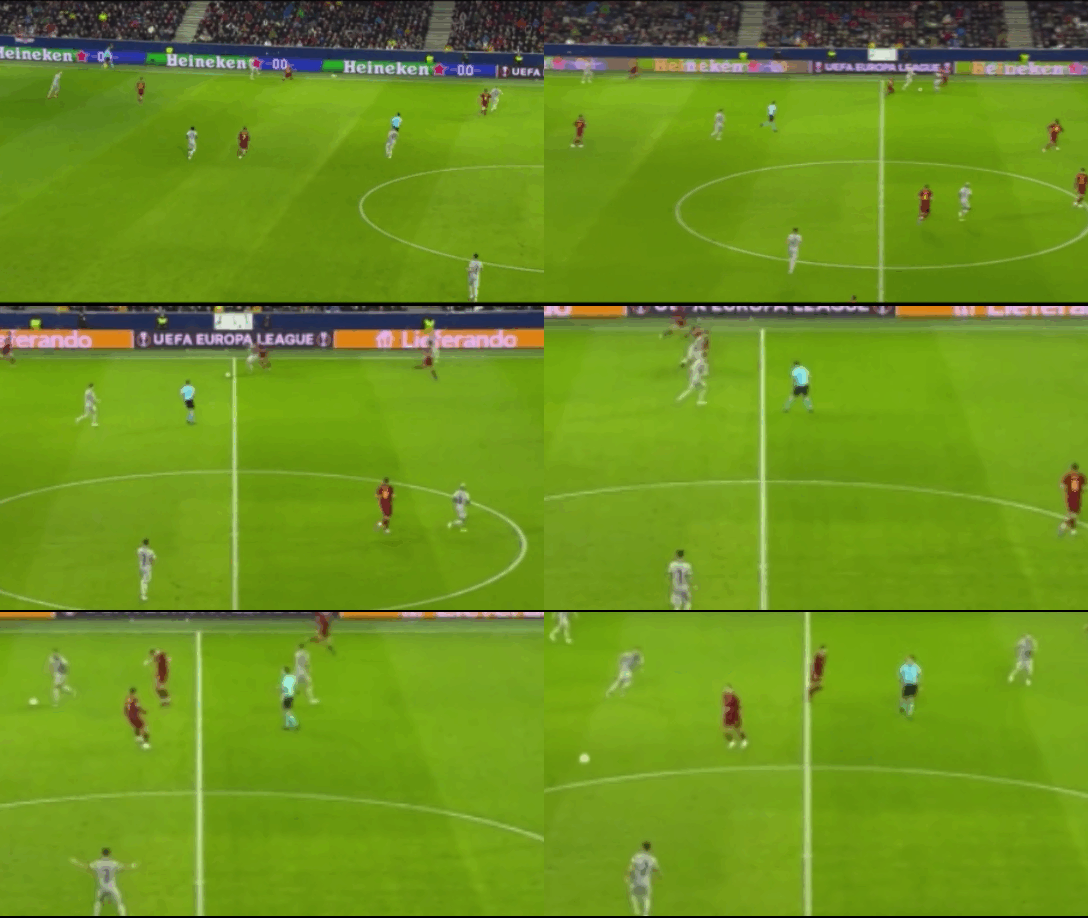
Inzaghi loves to bait the opposition into pressing. It didn’t take even 1 minute for Inter to do it as Inter baited Flicks team to try and pin them down to their left flank but a long ball to Martinez and a switch to Dumfries who made marauding down the Right flank paired with a clever finish meant Inter was leading 1-0 even before 1 minute on the clock.
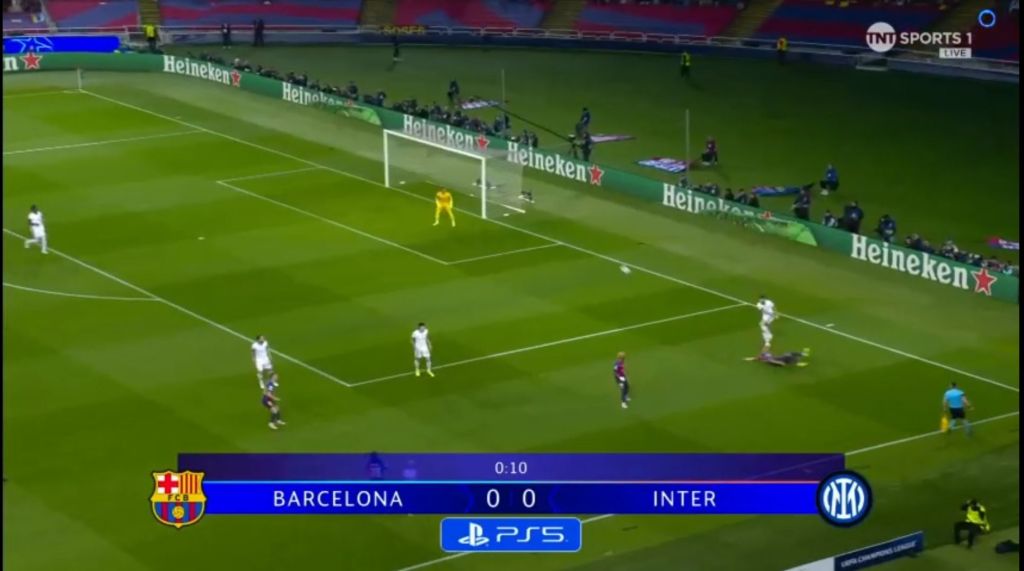
How Inter suck Barcelona into the press and then play out from the back

Inter conveniently settled into a 5-3-2 structure ceding possession and forcing Barcelona to break them down while using Wingbacks as a counter-attacking strategy
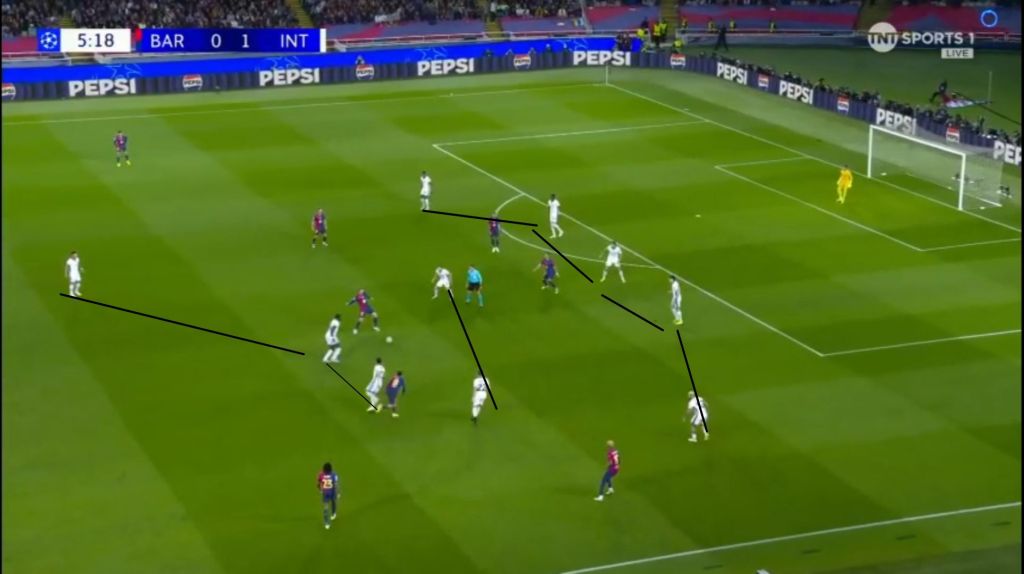
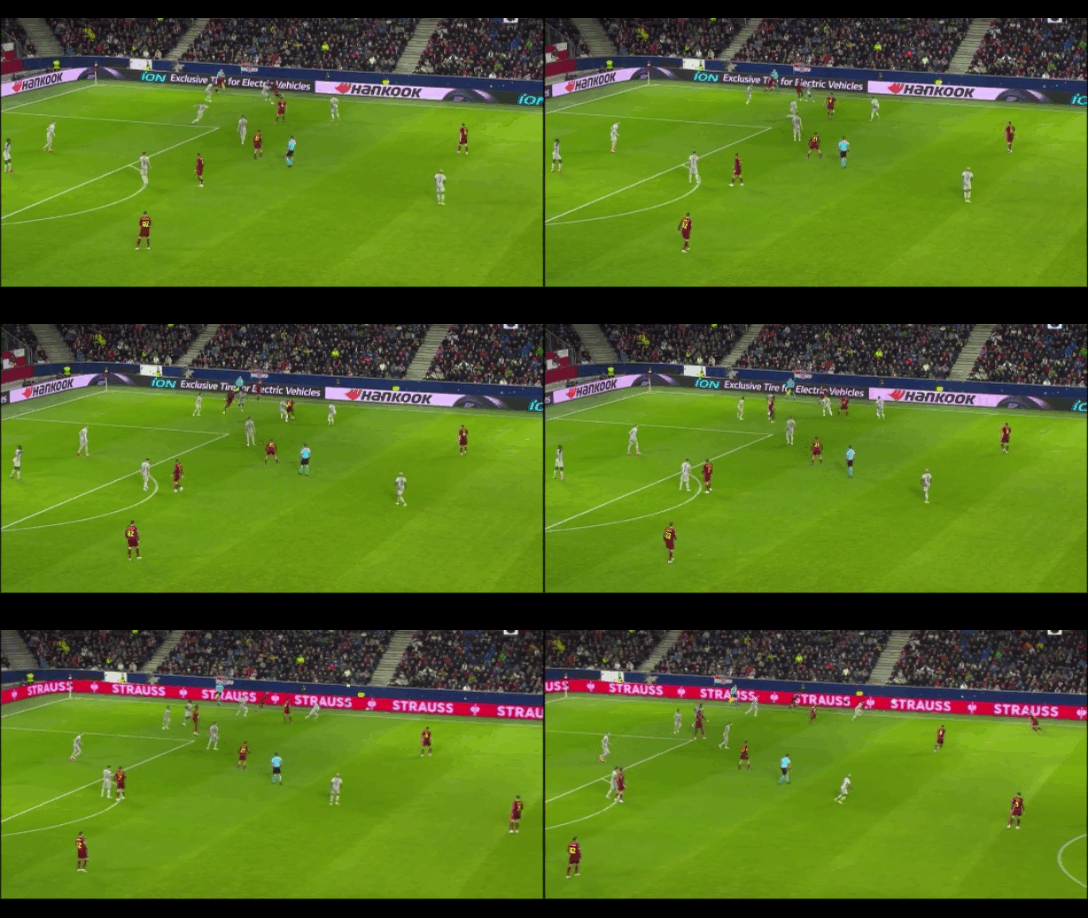
Inter, when they attacked, allowed Bastoni to underlap Wingback. Di Marco exploits the half-spaces created by the full-back vacating the space to mark Di Marco
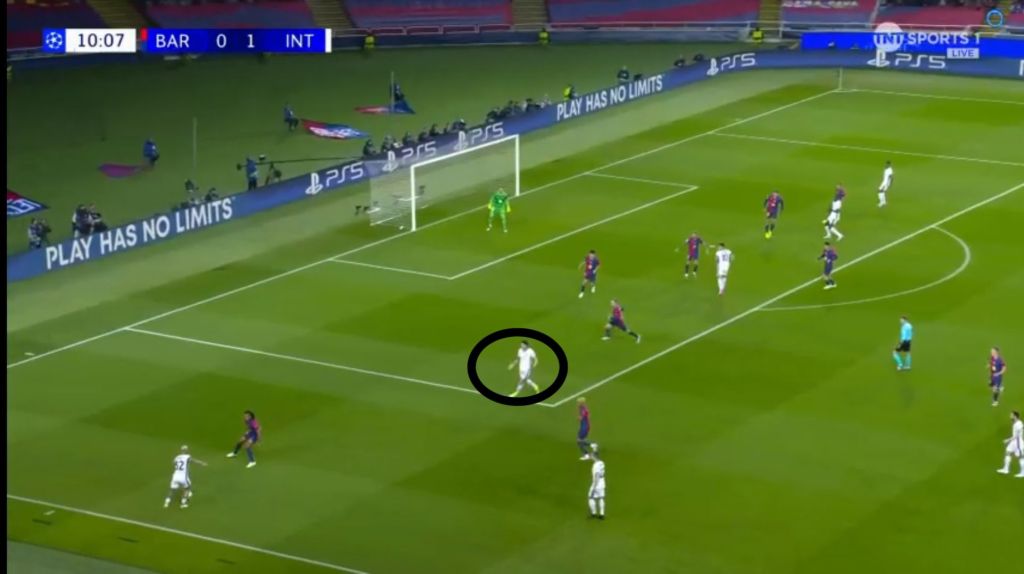
Bastoni making an under-lapping run

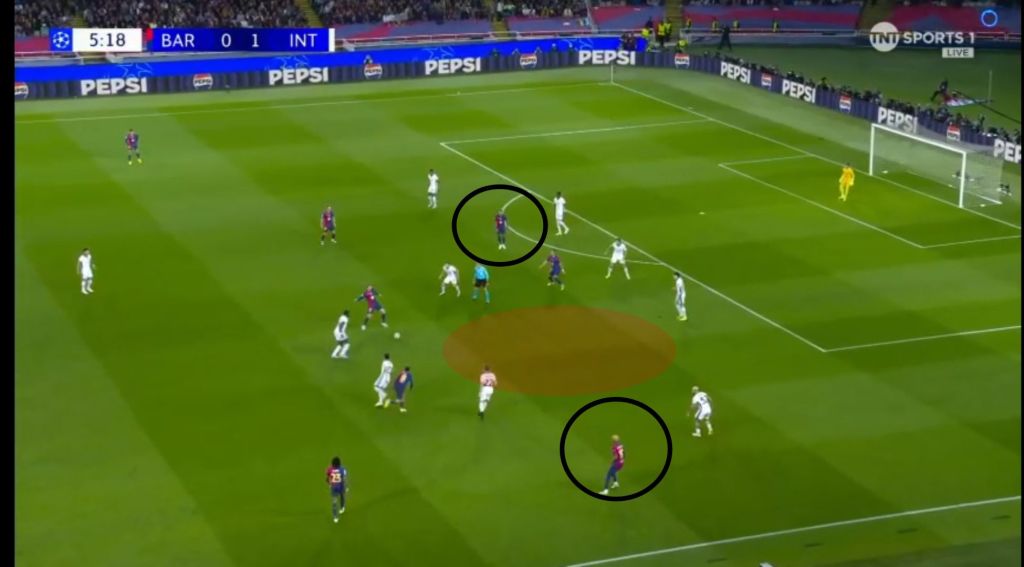
Barcelona, meanwhile, were trying to create space inside Inside Inter’s block with manoeuvres and switches of play. In this play, Rafinha moves up from the left flank to the Right half-spaces, and this draws an Inter defender while Yamal stays wide Right,  creating space for Pedri to make a 3rd man run.
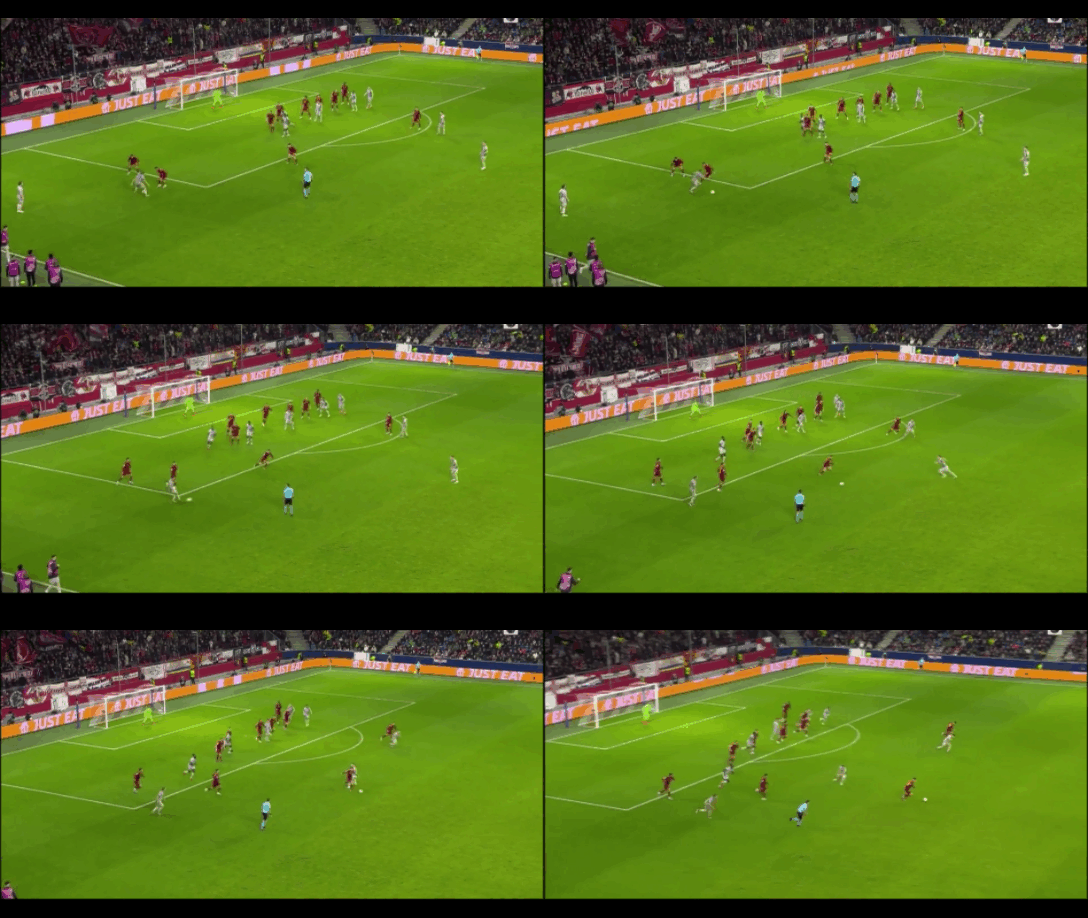
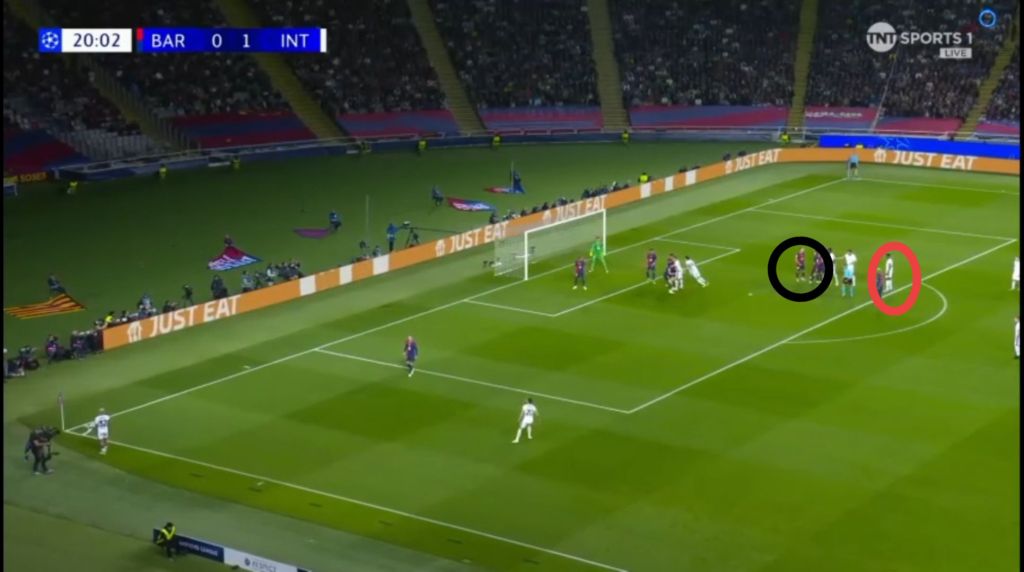
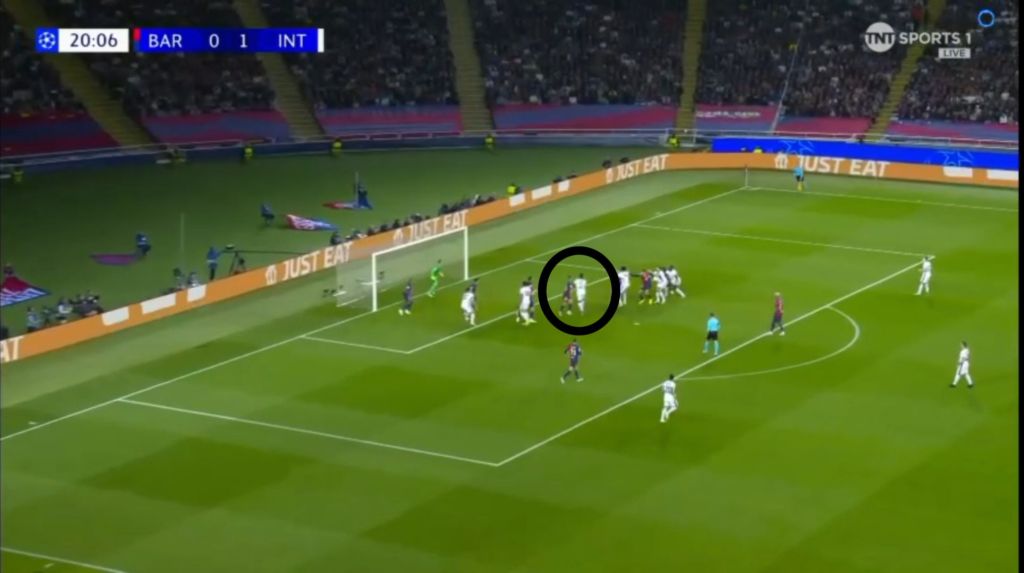
Inter, however, struck again from set-piece thanks to Dumfries. Barcelona used a hybrid marking set-up where some players were given man-marking assignments. One near the near post was zonal marking. Olmo was used as a zonal marker while Dumfries was stationed as a phase 2 player. Once the corner was in motion, the ball, which was played into the far post, was headed into the space between the zonal markers Barcelona players and the man markers. Dumfries, with an acrobatic finish, was unmarked, and Olmo failed to mark him and prevent the shot.
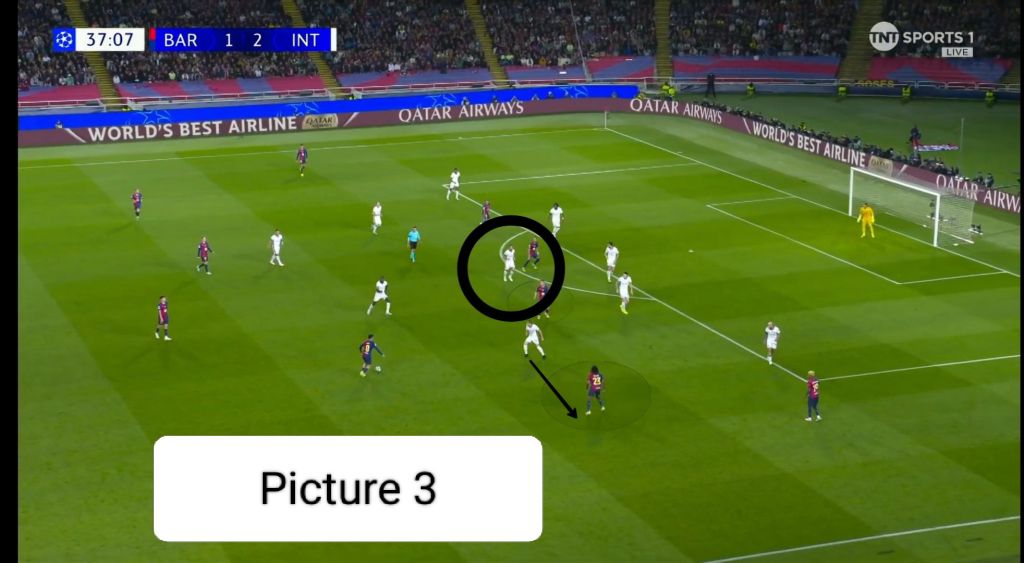
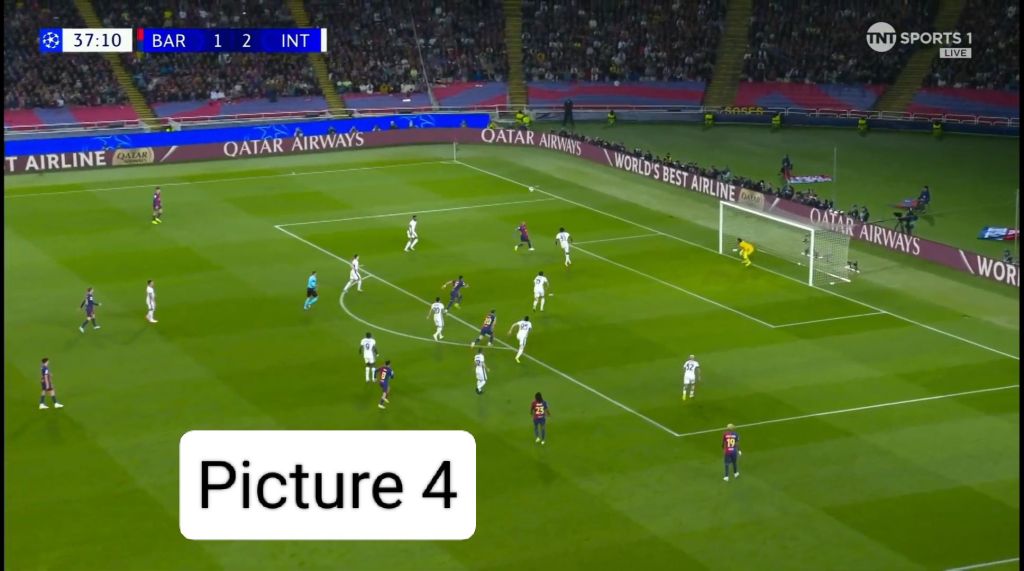
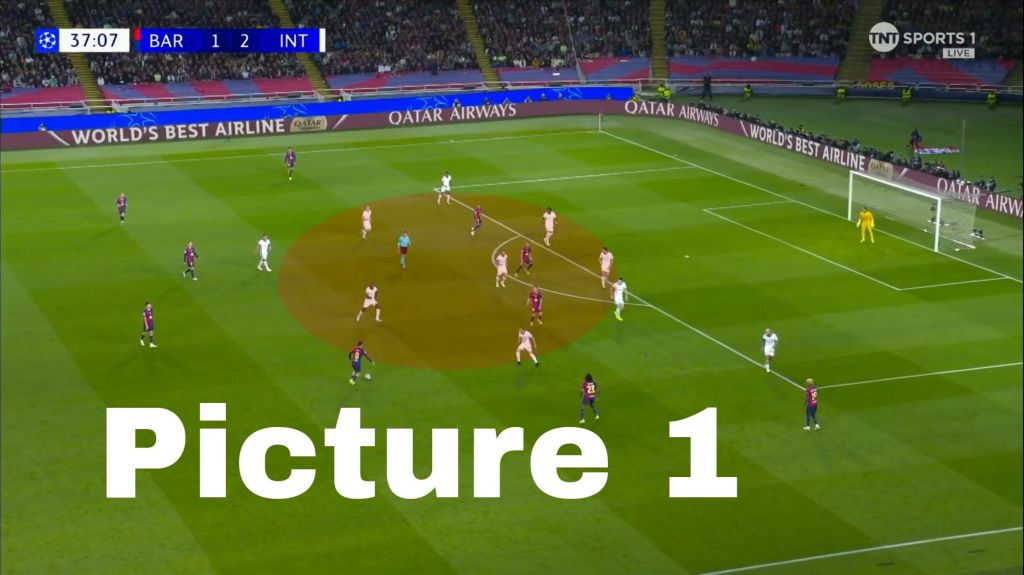
Yamal, with a messi-esque piece of individual brilliance, brought Barca back into the game at 2-1. But the space for him to receive the ball and dribble was created thanks to Kounde peeling wide and dragging Di Marco while Ferran Torres pinned Acerbi back.
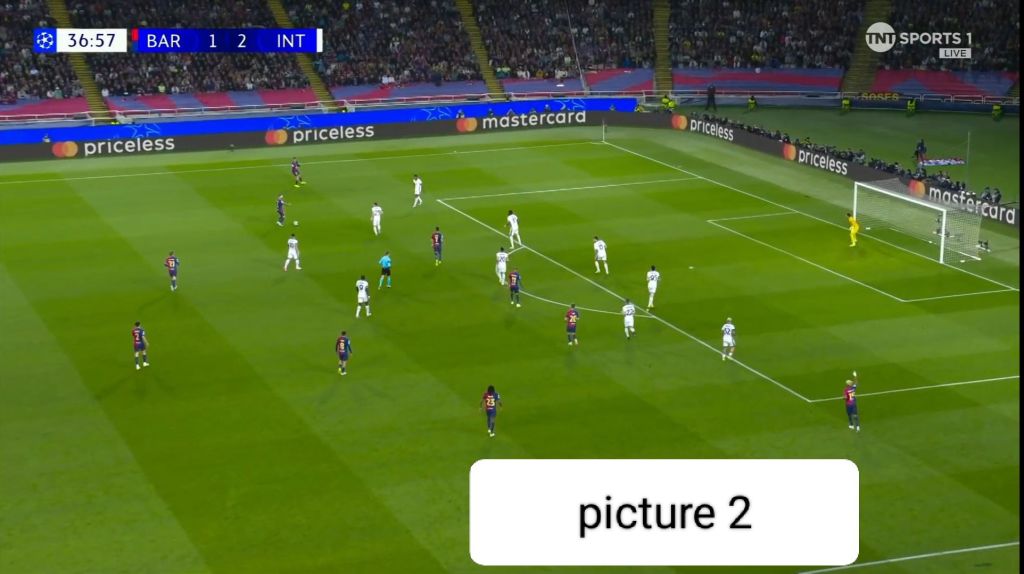
Barcelona continued the barrage of attacks vs Inter while Inter were happy to risk by sitting back and absorbing pressure. Flick placed Yamal very wide to stretch Inter and create gaps.

Once again, Barcelona pierced Inter’s defence. Inter clogged the centre of the pitch. Barcelona moved the ball to the left flank, and Inter’s midfield shifted accordingly.  Barcelona switched through Frenkie to Pedri, and Kounde peeled wide again, pulling Mkhitaryan towards him, which left Olmo unmarked, and Hakan ran to mark him. This created vertical passing lanes for Pedri, who, however, decided to lob the ball above. While Acerbi had his eye on Ferran before the ball was made, Torres un-marked himself by moving down but as soon as Raphinha’s cushioned header beyond Acerbi was collected Ferran outpaced Acerbi quite easily
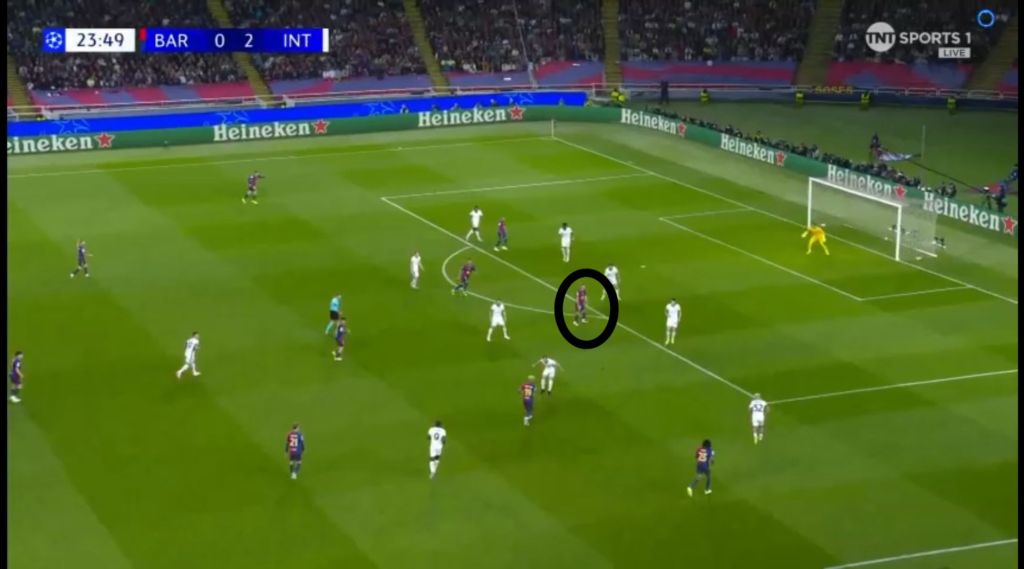
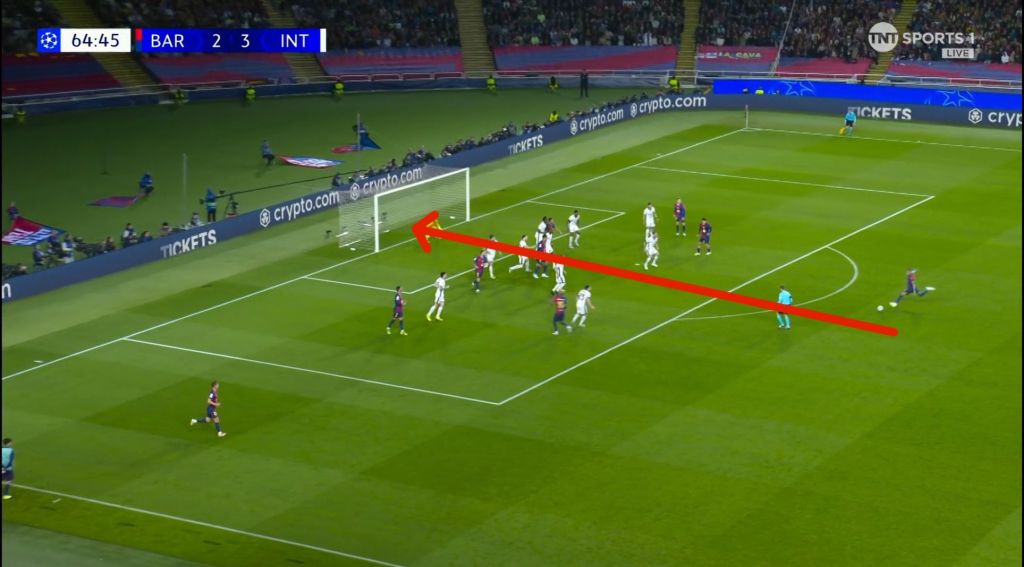
Inter took the lead from a set-piece again from a Dumfries header. Once again, the ball was towards the far post, but unlike the earlier corner, players made dummy runs towards the near post, which meant Dumfries was free to power to the back post with a watch Dani Olmo and head the ball in.
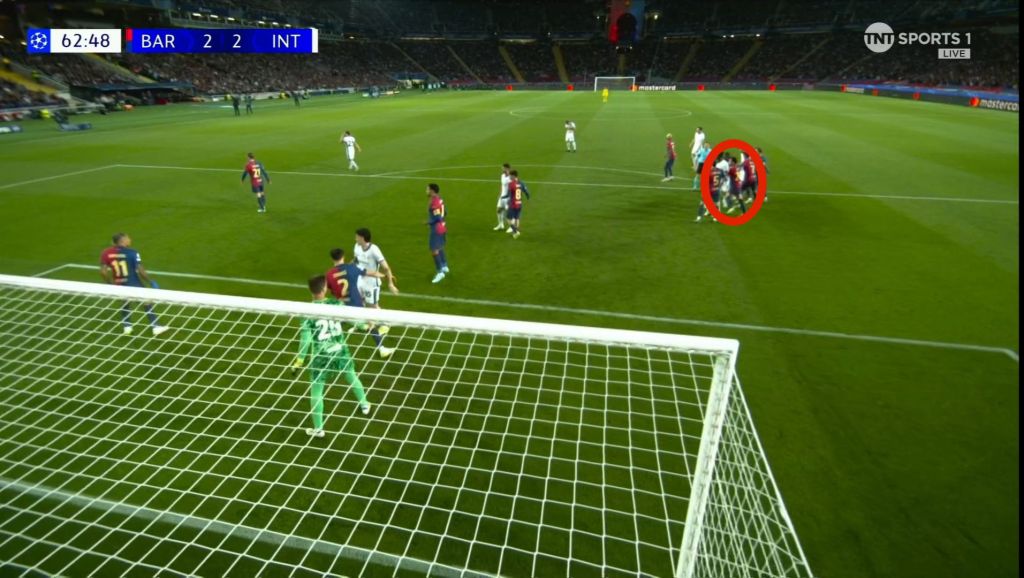
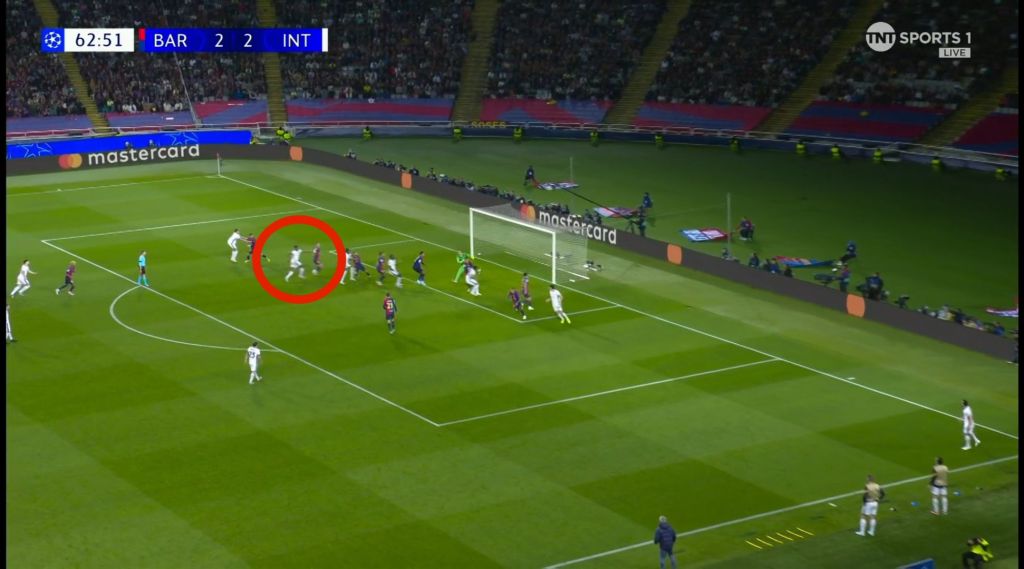
Barcelona, however, didn’t let Inter’s advantage fester with their own set piece. With Inter players pre-occupied with their markers, it cleared the  path without obstruction for Raphinha to shoot.

STYLE OF PLAY AND ROLE IN SALZBURG

OFF THE BALL

Milan fans are already familiar with Salzburg and Okafor given we had already faced them twice in the Champions League group stages last season and he scored against us.
Jaissle uses a particular 4-3-1-2 or a 4-4-2 diamond.

In the 21/22 season when Salzburg had Adiyemi, Okafor would partner him on the left of the front 2. Salzburg’s core values lie in their pressing off the ball and this means that Okafor is the first line of press in Jaissle’s scheme of things. When building out from the back Okafor wouldn’t always press the opposing the CB in a very aggressive way but he would be part of the plan to pull the opposition into a pressing trap. Like how Milan have been sucked into Salzburg’s pressing trap

ON THE BALL

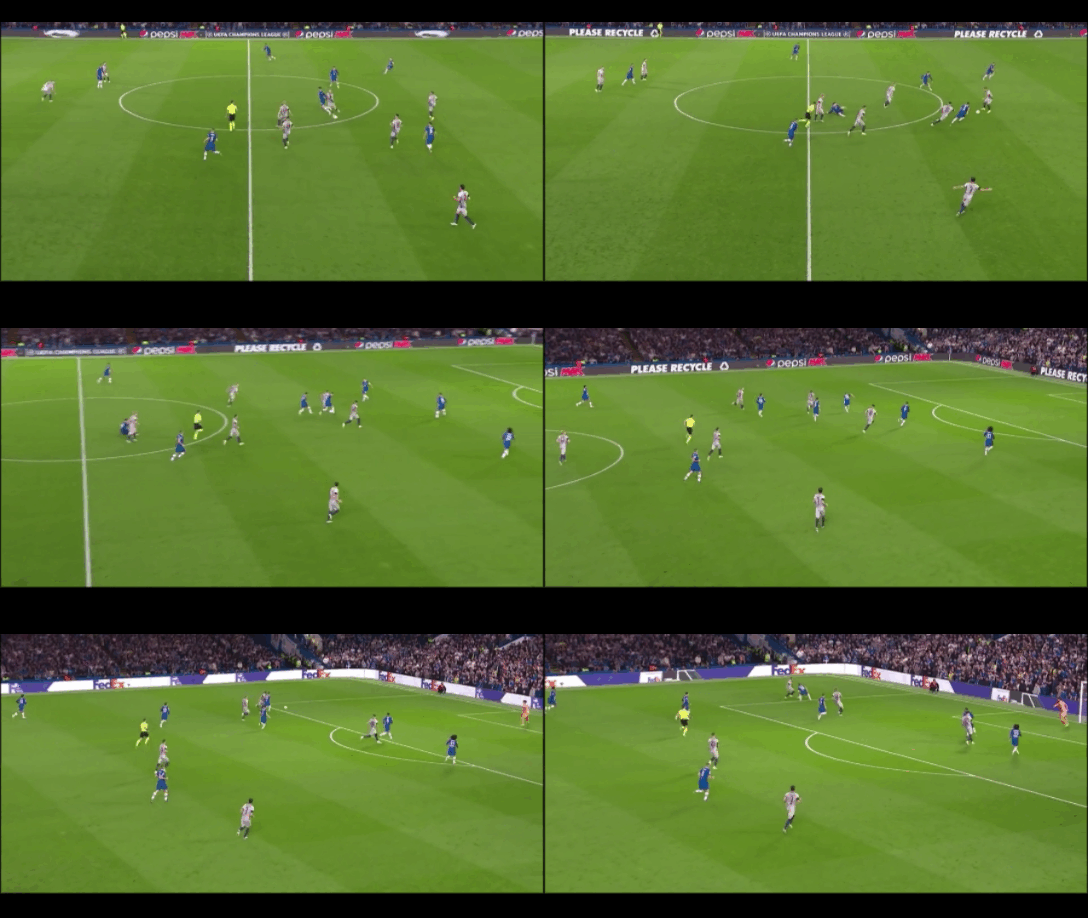
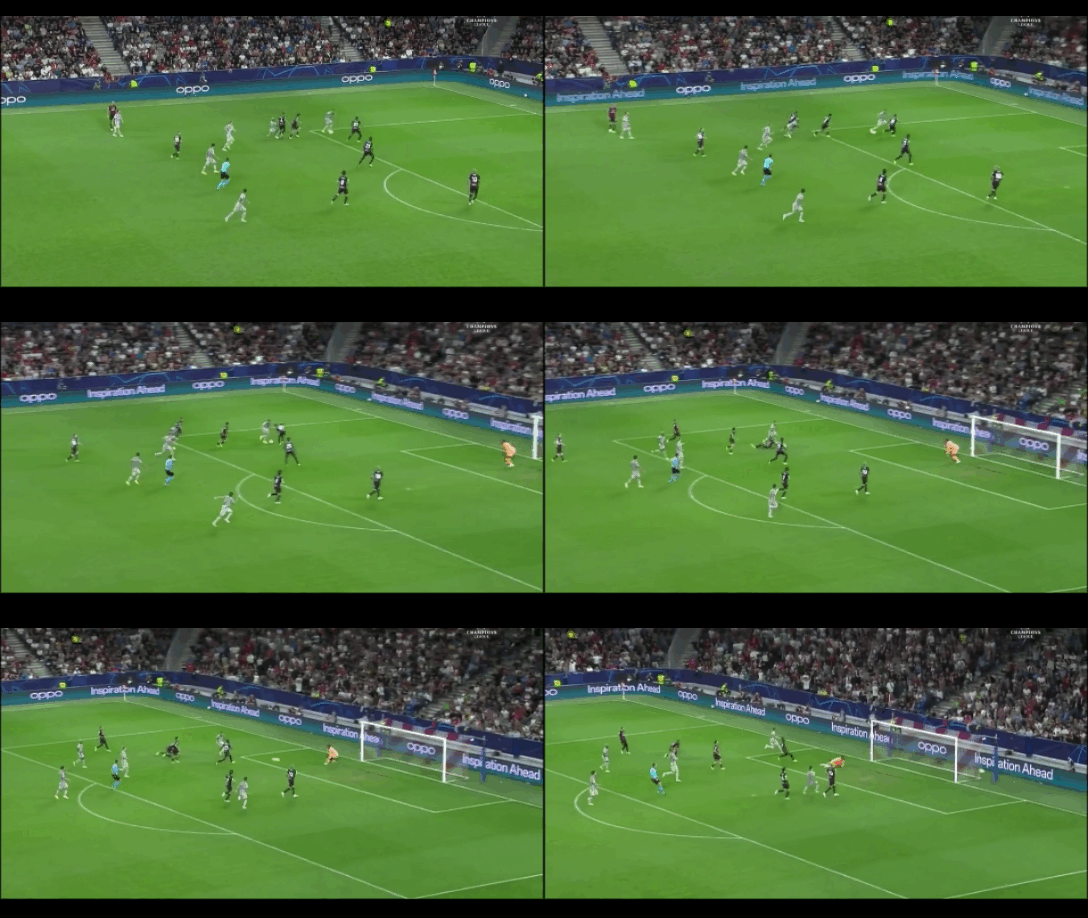
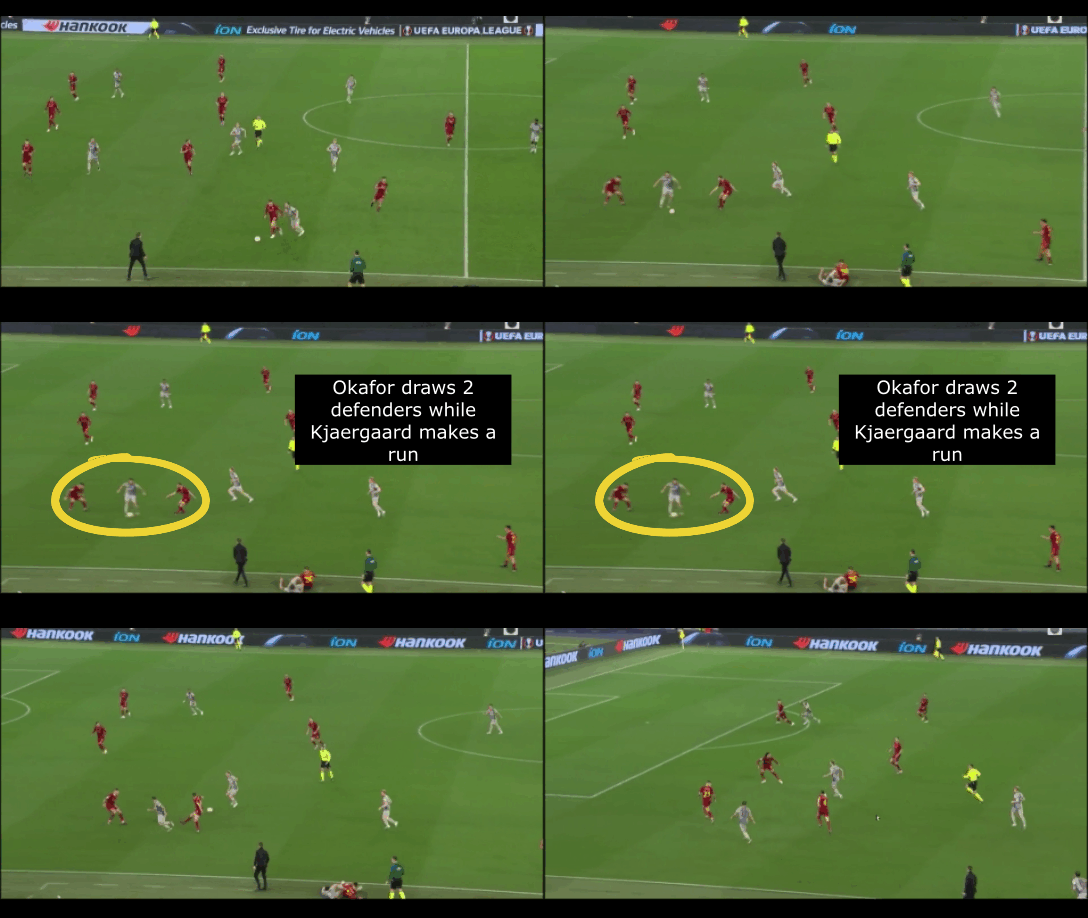
Now once the ball has been won back the idea is to hit the opposition on quick transitions and for this Jaissle’s team needs players with nimble feet and quick verticalization of play. What Noah does in a counter attack is to come to the center of the pitch and act as a passing option and do quick 1-2’s to pull opposition defenders out of position and therefore make space for runs for his team-mates.


In case the opposition is passive and not attacking much preferring to sit back like a lot of the lower Serie A teams, then Jaissle have his 2 strikers split and occupy wide areas to allow runs from midfield (mostly the AM) to act as a CM while the forward would cross the ball in. This temporarily converts the 4-3-1-2 to a 4-3-3. Noah usually likes to occupy the left half spaces and only goes to the wide area with the ball to make space in the center of the pitch while drawing defenders away from the same area like a magnet.

Okafor is not someone who takes a lot of shots from distance and always likes to dribble his way to the wings or inside the box before he shoots. His shooting technique is quite good with good power and accuracy as we saw against Milan.

STRENGHTS


Dribbling and 1v1- Okafor’s best abilities come with his dribbling abilities and his ability to take people on. Pioli has always spoken about how he wanted his players, especially forward players to be good in 1v1’s. Okafor is extremely nimble and quick with his feet making it difficult for defenders to anticipate his next move and require a lot of experience.
Quick release of the ball- One of the most important things in transition is how quickly you release the ball before defenders get into their defensive position. Okafor can use his deft touches to move the ball quickly and catch defenders out of position.


Physicality- In their 2 legs versus Roma, Okafor had a feisty battle versus Mancini one of the most physical defenders of Serie A. Even though he isn’t the tallest player, Okafor uses his frame very well and can hold up the ball holding off defenders. He did this quite successfully even against Mancini which shows his physical mettle.


Off the ball movements: Whether it is finding the right position in the box or making runs into space to help out a teammate, Okafor has good off the ball runs and spatial runs making him a valuable asset to have in tight spaces.


Pressing: Being a Salzburg player, Salzburg’s core principles are to press. Players are drilled and taught to press well. Okafor is a potent weapon to any coach who likes to press high. He averaged nearly 4 recoveries per game in the 21/22 season.


AREAS OF IMPROVEMENT AND CHALLENGES


Adaptation: The Austrian Bundesliga (as it is called) is only a 12 team league which starts in June, breaks for 2 months (December and January) and ends in March. The Serie A comparatively has 20 teams, no winter break from this season and is more competitive and intense. If anything can be learnt from the mishap of Charles De Keteleare it is that adaptation requires time.


Lapses of concentration: Okafor is prone to lapse of concentration and sometimes takes his eyes of the ball which can lead to attacks breaking up.


Aerial Dual: One of Okafor’s biggest weaknesses is aerial duels. He rarely attempts any aerial duels which limits the amount of crosses into his side.

PLAYER COMPARISON


The player closest to Okafor’s style of play (purely my opinion) is Roberto Firmino of Liverpool. An underrated yet crucial player to Klopp’s front 3 the plaudits always often went to Salah and Mane but Firmino’s mastering of space went a lot in helping Salah and Mane in scoring many goals.
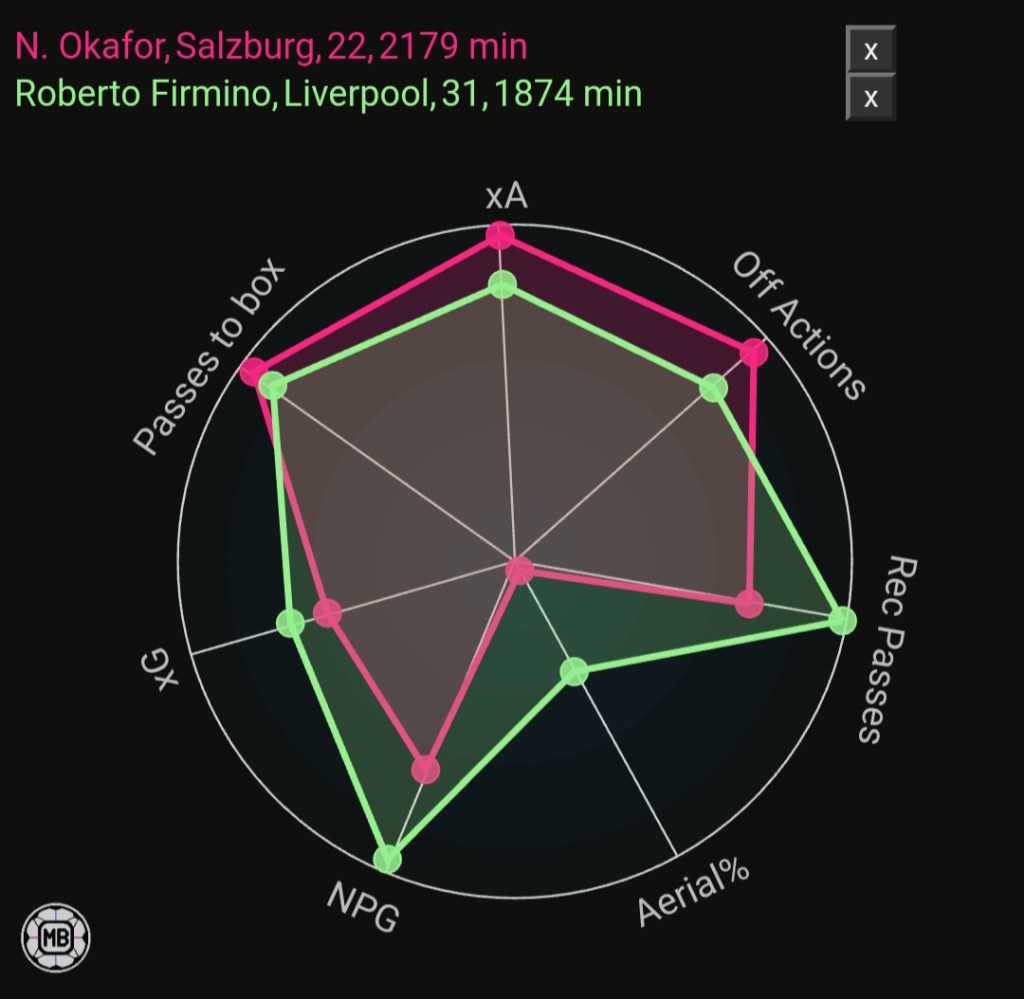
Okafor like Firmino isn’t also the greatest in the air but is good with his feet on the ground and can use his off the ball runs and make space. As we can see in the spider graph produced by @DataMB_ Okafor and Firmino have very similar style of play based on their numbers. Both are not the greatest headers of the ball, have similar level of expected assists and expected goals and have similar number of passes into the box.


With the level of experience Firmino has I believe Okafor still has a lot to learn and play in the bigger leagues.


HOW DOES HE FIT INTO PIOLI’S PLANS

Okafor has shown he is quite versatile and can play in any position in the front 3 of a 4-3-3 but can he be a CF ? Despite my efforts I couldn’t find the quote where Pioli speaks about how space was the best striker and Okafor can play well as a ball playing striker. With his physicality he can easily hold off defenders and draw them away making space for wingers or defenders to make runs into the box and finish.

Most importantly Pioli is a coach that likes to press and press high up the pitch. Even though Giroud was never a prolific striker he helped press from the front as Leao was not the greatest in terms of pressing. Pioli even had to play a defensive winger like Saelemakers to bring balance in terms of pressing upfront when we had Ibra. Now with Okafor, who is conditioned by one of the best pressing clubs in the world to press from the front. Now with Okafor, it would set Leao free and reduce the burden on midfield to press.

CONCLUSION
Okafor for 13M plus bonuses is a very shrewd business. Crespo spoke about how Okafor isn’t a clinical player but if modern football has shown, goalscoring burden is not just on a single player anymore. It is shared among all players on the pitch. I don’t think it will be smooth sailing for Okafor and patience will be needed for him.

Transfer Rating : 8.5/10

Ruben Loftus Cheek

Playing Style

Having played under many managers Ruben Loftus Cheek has played in various roles but his best season came under Maurizio Sarri at Chelsea playing as a no.8 on the left side of the midfield three. Loftus Cheek is not someone who likes to see the ball a lot, he is someone who loves to make off the ball runs and act as a passing option. When playing under Chelsea, he would occupy the half spaces in the attacking half of the pitch while playing alongside Eden Hazard with whom he built a good bond.

Against Milan when he played in the midfield 2 in a 3-4-3, Ruben Loftus cheek acted more of the defensive midfielder while Kovacic was the Deep Lying playmaker. Under Potter and against Milan he was given the task to mark Charles De Keteleare. Loftus Cheek does not physically press players but he is tactically adept to cover passing lanes, a style of play Pioli uses. Standing tall at 1.91 metres he is able to use his rather long legs to reach for balls and recover them. He isn’t a tough tackler which makes him unsuited for a Defensive Midfielder role.

He rarely touches the wide areas and likes to say inside or the half spaces while operating as a passing option to players who are pressed wide by the opposition. Even though he is a very sizeable guy, his movements are silent and quick and this has given him the ability to make runs behind defenders into space. Using his tall frame he is able to receive kicks from the keeper or make defensive header although he isn’t very aerially very dominant. Trying to use his physicality means he draws a lot of fouls.

In terms of passing, he is usually someone who opts for the safest option. He tends to re-cycle possession and keep the ball in play.

Strengths

Physicality- Standing tall at 1.91 metres, Loftus Cheek has a very big frame and he uses this to get effect. Not easily pushed off the ball, Loftus Cheek uses his frame as a shield between the opposition player and the ball. His hold up play is also good which makes him draw a lot of fouls towards himself.

Tactically good at finding spaces- Loftus Cheek has a keen sense of finding spaces and this makes him a very good passing option for any player. Whether vertically or between the lines, Loftus cheeks likes to find pockets of space and attract press towards him freeing up more creative players to make forward runs.

Good with tight spaces and offensive runs- With a good first touch and decent close control, Loftus Cheek can help his team-mates escape the press and in-turn dribble forward or make the pass to avoid losing possession. He likes to make diagonal runs behind defenders into space and if the creative player can find him then it can lead to a dangerous situation.

Ball Carrying and Pace- Loftus Cheek has an ability to accelerate very quickly with or without the ball making him extremely useful during counter situation. As reflected via his numbers, Loftus Cheek is more of a dribbler than a passer and he carries the ball quite a lot of times.

Areas To Improve

Injuries and mentality- Having a start-stop career due to injuries Loftus Cheek has had his confidence affected a lot. A player that was confident on the ball, was looking over-cautious and not making runs behind the defense like he once used to.
Ability to be lost- As somebody who does not see the ball much, Loftus Cheek can get lost in the middle of a match and have no impact on the game

Defensive workrate- If RLC truly has to hit heights then he should improve his defensive workrate and cover more groundEnd product- For a player who plays an advanced role, Loftus-Cheeks’ best season had a 15 G+A season in 2018/19 but since then his numbers have been poor. One can attribute this to little gametime but he certainly has the quality to improve

Stats

Ruben Loftus Cheek in 2022/23 played 25 games in which he had 19 starts and 1536 minutes.

In terms of passing (all stats per 90 minutes) RLC attempts a total 46 passes with a passing accuracy 86.2%. He completes close to 1.05 passes into the penalty box.

As I have described, Loftus Cheek acts as a passing option whole Chelsea are trying to move into opposition box under pressure.  He averages 5.03 passes recieved in the opposition half of play which shows his usefulness to the sides progression.

In terms of Shot Creating Actions (SCA) and Goal Creating Actions (GCA), Loftus Cheek averages 2.11 SCA per game and 0.23 GCA per 90.

Defensively Loftus Cheek’s Takckles Won and Interceptioms average around 2.16 per game while winning 46% of his aerial duels.

Like I had explained Loftus-Cheeks’ style of play draws a lot of fouls. This can be seen in a way that he draws almost 2 fouls per game.

Finally he is an excellent ball carrier. His Ball progression per 90 while dribbling is 3.27 per game of which 1.7 is into the final 3rd of the pitch

STATISTICAL COMPARISON

Defensive actions- Tackles+Interceptions+Blocks per 90

Offensive actions- Progressive Carries+Progressive Passes+ Progressive passes received

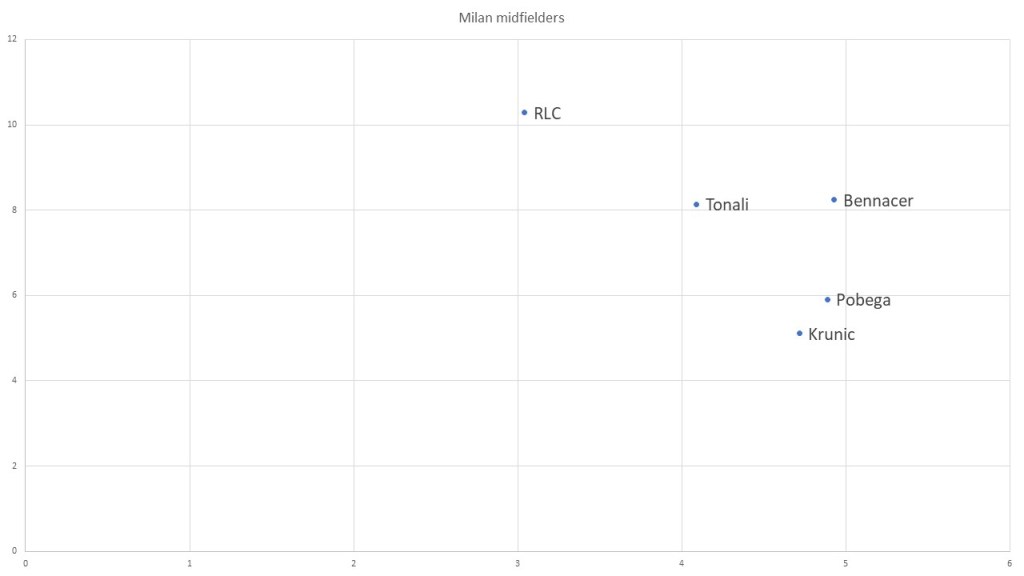
As we can see here Ruben Loftus Cheek is head and shoulders above the rest of the pack in terms of offensive actions. This would be a welcome change for Milan fans who have seen their side crumble or settle for draws against teams lower in the table and needing a spark from midfield with Bennacer or Tonali unable to provide it.
CONCLUSION

With moneyball taking effect Milan have embarked on yet another risky siege. Loftus Cheek is yet to prove himself but has been touted as a Rolls Royce football player. Given the talent pool of midfielders available at Milan with the departure of Tonali, Milan need not just starting players but good depth to manage the workload all season.
Transfer rating 7/10

WHAT PIOLI CAN DO DIFFERENTLY: AN ANALYSIS

After the last 3 losses, the spotlight will be on Pioli on how he can turn the shiparound. The toughest spot he has been in his stint at Milan has come and the question is can he change Milan’s fortunes. 

In the last few games Milan’s biggest problem has been what used to be their strength: Good organised pressing. In the older day when Milan pressed more often that not they came out with the ball but now they failed to retrieve the ball and the spaces left behind are occupied by opposition team attackers which becomes fatal. 

Exploring different ways we look at what Tactical changes Pioli can make to combat this. 

THE MID BLOCK

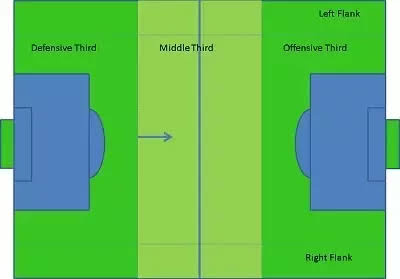
A Football pitch is divided into 3 parts: Defensive third, Middle Third and Attacking Third. Whenever your team plays as a defensive unit in the Defensive third it is called as a Low block (Parking the bus), when you play in the Attacking Third it is called as the High Block or High press, something Klopp uses very effectively. The Mid Block is when a team plays their defensive unit in the middle third of the pitch. 

ROLE OFF THE BALL

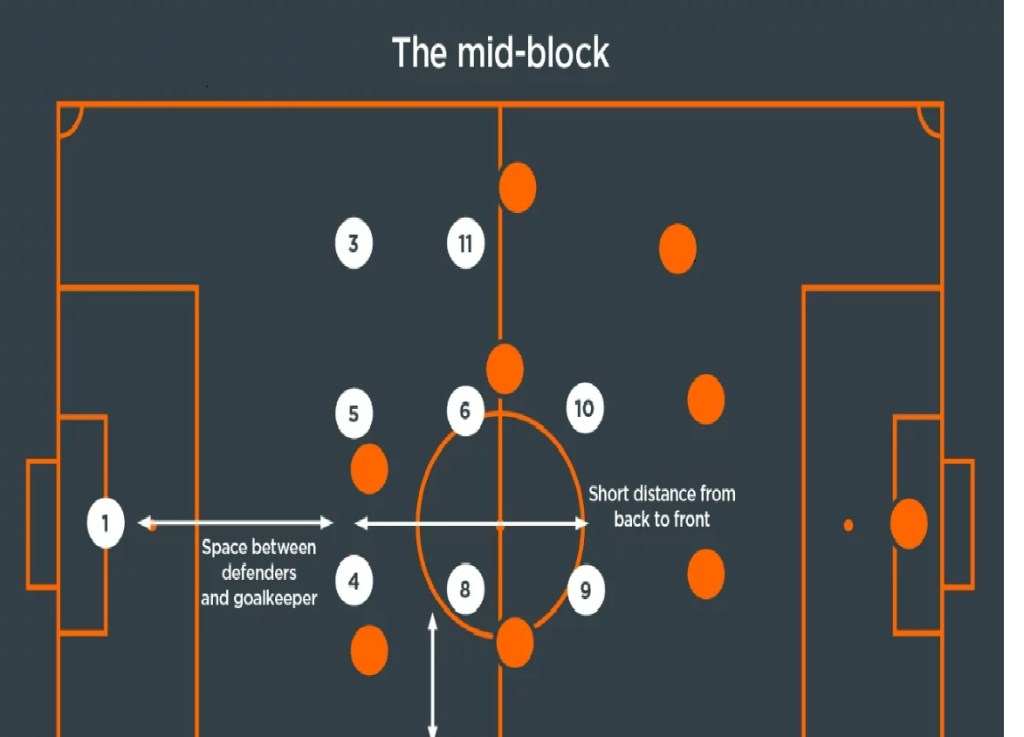
When the team is not having the ball, they go into the defensive shape (mostly a 4-4-2 which Pioli likes) and form a narrow compact block. The most important part of the mid-block is that the players must be compact both horizontally and vertically. The distance between the back 4 and the front 2 must be minimum while the distance between the players must be least to avoid giving any space to the opposition.

The backline must push up and narrow any space between the defense and midfield lines. Players must be disciplined and must not break forward to press unless there is a loose touch or a mis-pass otherwise the structure can be easily compromised.

ROLE ON THE BALL 

To break down the midblock, the opposition have to push up the pitch and maintain a high line. This leaves spaces behind the defense and these spaces can be exploited through counter attacks by quick vertical through balls to prevent losing the ball quickly. 

Since midblocks require the middle area to be congested the opposition full backs may pushup to exploit wide areas. This can be exploited with quick switches.

Also since the distances between the players are short it helps to have patient passing interphase. 

ADVANTAGES OF MID-BLOCK

The mid- block helps to clog the important areas of the pitch and therefore not give any sort of space between the lines for opposition’s creative players. 

This strategy does not require teams to press aggressively and therefore it helps in saving energy.

DISADVANTAGES

When you play a mid-block it means that you are far away from the goal and you will need ball carriers and precision passers.

As midblock requires defenders to push up and maintain close gap with their midfield line, a team with a good creative player and quick striker can easily exploit it with balls over the top.

And since the mid block is more of a passive tactic it means ceding possession to the opposition team and allowing them to dominate you.

CHALLENGES FOR MILAN

As mentioned above, it will require good dribblers/ ball carriers. It is something Milan are not equipped to deal with as Milan only has Leao as the expert ball carrier and teams could easily neutralise him. Back when Milan played a mid block under Carlo he had Ricardo Kaka.

It also does not help deal with Milan’s issue of defending set pieces as the goal scored by Lecce showed Milan’s weakness in aerial duels. If you cede possession and try to pack the center teams will look to aim crosses into the center a lot and good tall CF can exploit Kalulu and Tomori.

Milan B-Team

News broke out that Massara had attended the convention held at the Allianz stadium to discuss Lega’s proposal of creating B-teams for clubs that are interested in doing so. As a team that has a youth team at the core of its focus, a B-team would be welcome for Milan as it would help them develop the players further than the Primavera.

So what is a B-team, how are they different from the Primavera and what are they benefits of doing so ? With this article we plan to walk you over the aforementioned features.

WHAT IS A B-TEAM

A B-team is a team that is created between a youth team and the main team in-order to achieve certain goals of the club but mainly for improving their youth players.


They would play in the lower divisions of the National leagues (Serie B, Serie C) but can never play in the same league as the main team so as to prevent foul play. So that means that if Milan create a B team, the Milan-B side can never play in Serie A as long as Milan are in Serie A.

Depending on country to country the federation will allow the team to make transfers between the Main team, the Primavera and B-team even with the transfer window being shut . Sometimes teams would send their injured players to play for the B-team to help with their recovery.

WHICH COUNTRIES ALLOW B-TEAMS IN THEIR LOWER DIVISIONS

Mostly Spain, Portugal and Germany follow this model.

Teams like Partizan Belgrade and RB Salzburg have created/bought clubs such as FC TeleOptiks and FC Liefering as their B teams to support their clubs.

WHAT ARE THE ADVANTAGES OF HAVING B-TEAM

The prime advantage and reason for creating a B-team is for the progression of Youth players. When players are a step ahead of the Primavera but still not on the level for the Main team, the best way to give them game time and prepare them for the competition is to have a B-Team.

As more and more money is getting poured in, Football has become extremely competitive, sometimes even cut-throat and it is of prime importance that, on a physical and mental level, players from the youth levels make recieve exposure.

Playing against Primavera players only exposes them to players of their age but when they make the jump to the Main team it does not prepare them physically for the competition at the Senior level.

But with the B team playing at a Serie C level, they are competing against players fo mixed ages aka players of age ranging from 18-30+. This means that the Primavera players would learn to deal with the more physical players who are more developed. This would help them go through the rigors of going though the correct physical development to reach Serie A.

Mentally it exposes them to players who are extremely competitive and therefore understand what it means to have to fight for a place in the squad and the level of physicality they will have to face in the Serie A.

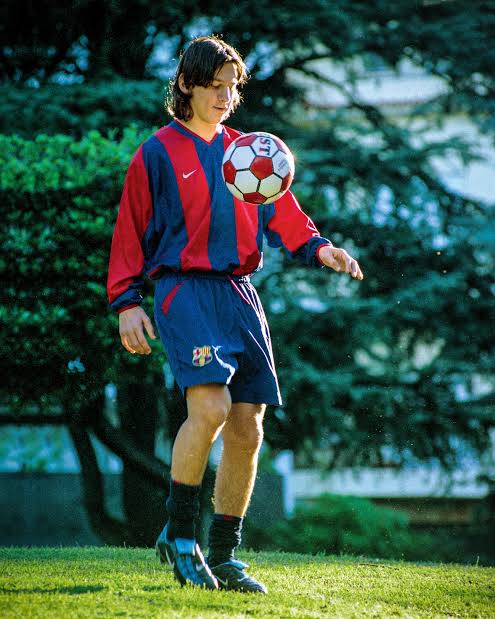
Pep Guardiola made 55 appearences with the Barcelona B team (as a player) while Lionel Messi made 27 appearences. Toni Kroos played 13 games for Bayern Munich II.

Now let’s not restrict development only to players. The competitive environemnt also gives coaches exposure. For a coach who is in the embryonic stage of his career, it helps to understand his strengths and weakness in his style of play. The best example for this is Pep Guardiola (again). Guardiola had a season with Barcelona B before he was promoted to the Senior side.

Teams can send players who are recovering from injuries train with their B-team instead of Primavera which can accelerate their recovery.

An indirect benefit maybe that while a player from the B-team may not be good for the Senior side, he can be picked up by lower division teams from Serie A and it could give the club a plusvalenza and help in the FFP calculations

DOWNSIDES OF B-TEAM

If B Teams are so good why don’t all teams do it ? The simple answer is that cost of maintaining these teams are not for all teams. The income from B-teams are very minimal and creating an extra team would mean extra salaries for the players, coach and the staff (physio etc etc).

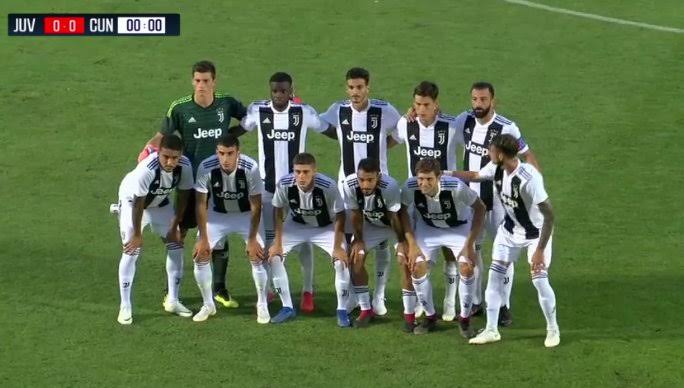
Juventus B which launched players like Miretti, Soule, Illing Jr.

Since these B teams are purely for youth development, not every team can bear the costs associated with it.

And while young players get exposed to mental and physical challenges in the B- team it can work both ways. A hard tackle could end up in a career-ending injury for a player who is as the beggining of his career. It could be over before it even started. Players become injury prone.


And while mental health is also a lot on focus these days, sometimes the rigors of the competition can break players and may not be able to deal with the sudden expose.

FINAL VERDICT

In the end, all walks of life resonate with the words “survival of the fittest”. The margin for error has reduced and this has increased the competition for places. Young players are very rarely given time at the highest levels and therefore youth players are expected to slot in seamlessly.

For teams like Milan who are now financially doing well after 2-3 years of sustainability measures creating a B-team would enhance their project “The Milan experience” which is keen on bring players through their academies to Milan from different corners of the globe.

Torino vs Milan

Ac Milan went away to Torino in what was always going to be a very difficult trip to Grande Torino stadium. Milan came out with their 2nd loss of the league after Torino scored 2 goals in the first half. Here are a few points from the match

1. Best Pressing team in the Division

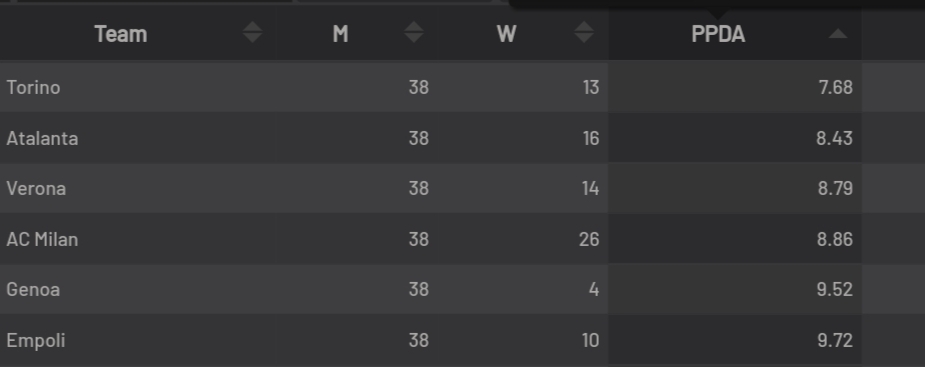
While Milan identify as a team that like to press their opponents, the team that have the most intense press in the 21/22 season was Torino as per website Understat. Using PPDA as a metric Torino allowed least amount of passes for their opponents, before a defensive action. Juric for that purpouse, deserves a lot of credit.

Courtesy of Understat

2. Really good off the ball structure

One of the prime tactical features of Juric is his off the ball structure. It means that when Torino do not have the ball they have a sound defensive structure that allows them to press and win the ball back quickly. It was one of the prime features of Tuchel’s reign at Chelsea before he got sacked. And for this Juric, both at Verona and now at Torino, uses a 3-4-2-1 giving him dominance in the central areas

Higher up the pitch Juric uses man to man marking and block passing options to the double pivot often luring Pobega into their pressing traps and having him overpwoered using 2v1’s and forcing him to take decisions quickly.

3. Higher xG but missed chances

Torino had an xG of 0.87 and Milan had an xG of 1.11. what does it mean ? It means that Torino scored their goals from more difficult chances than the ones Milan created.

Just like the Verona game, when Milan were 1-0 up, Giroud failed to close the game off a thorough ball from Brahim Diaz and Milan had to go through waves and waves of Verona attacks before Tonali scoring the winner.

Fate (or Torino) wasn’t just as kind with Torino scoring 2 goals after Leao missed 2 easy chances put to him on a plate to Diaz.

MILAN VS MONZA

Milan took on Monza at the San Siro which marked an emotional return for once Milan supremo Adriano Galliani and president Silvio Berlusconi. Milan wanted to continue their winning streak but had an eye on the mid-week clash against Zagreb.

Here is an analysis on the goals and numbers between Milan and Monza.

Brahim Diaz 1st goal

One of the prime things that Ariggo Sacchi focused on while instilling his pressing game is that his teams need to be compact and the difference between the first and last line of defense shouldn’t be more than 15 metres.

The space between the lines

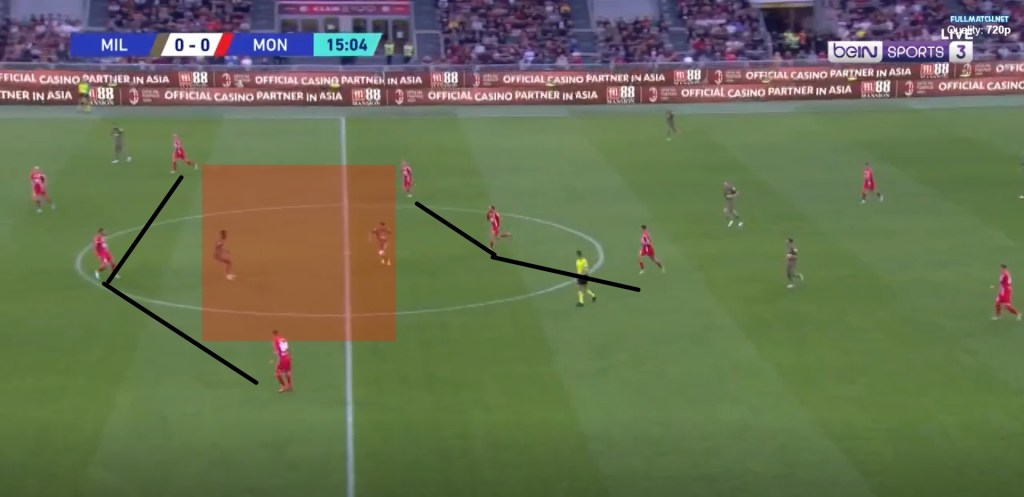
Monza, In the buildup, violated this sacred rule of Sacchi having a gap between the last line of defense and the middle line, which helped Diaz to drop in between the midfield and defense and Tatarusanu to pick him out. This was mostly done because Monza’s defenders are not the greatest in terms of recovery pace and we can see how explosive Rebic and Origi can be.

Brahim Diaz 2nd goal

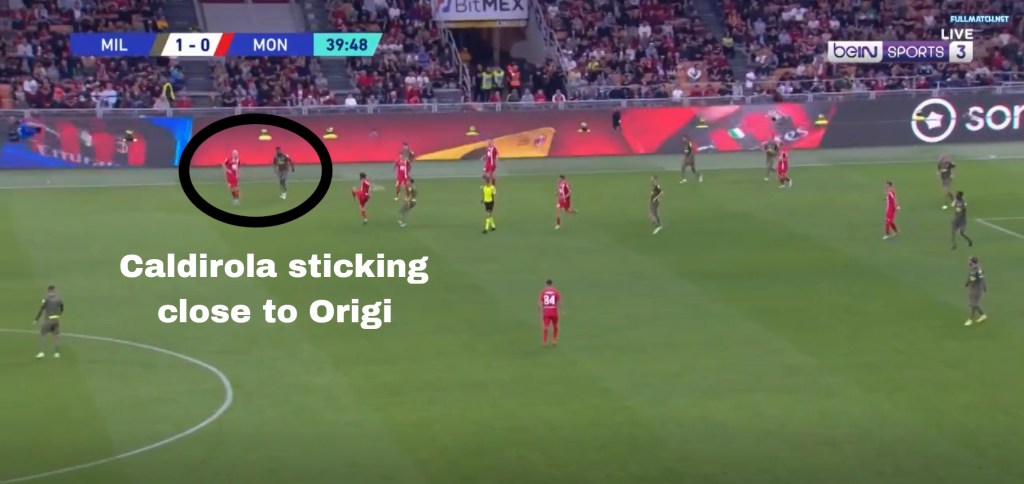
Once Monza were down Monza had to push up in search of an equalizer. They tried to pin Milan to the touchline of whichever wing the ball was in play and the defenders unlike the last time pushed up to squeeze the gap between the lines. This time Origi used his pace to beat Caldirola and pick out Brahim who occupied the space between the CB and LCB in Monza’s 3-4-2-1

Origi’s 3rd goal

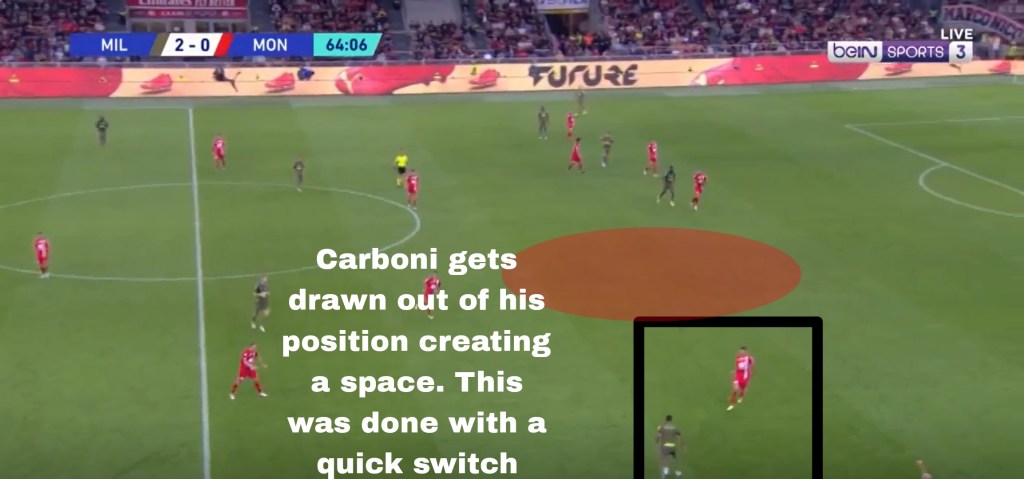
One of the biggest risks of playing a 3 at the back is that if not structured properly the formation’s biggest strength (defensive cover) can be your biggest weakness. Center-backs are not always the most agile and pitting them against wingers can be a real test of their 1v1 ability. So when Milan switched it from the left wing to the right wing, it put Messias on a 1v1 against Carboni. While Messias got the better of Carboni it meant that there was a huge gap in the half spaces between the LCB and the CB which Origi occupied before he unleashed his shot.

THE STATS

The pressing

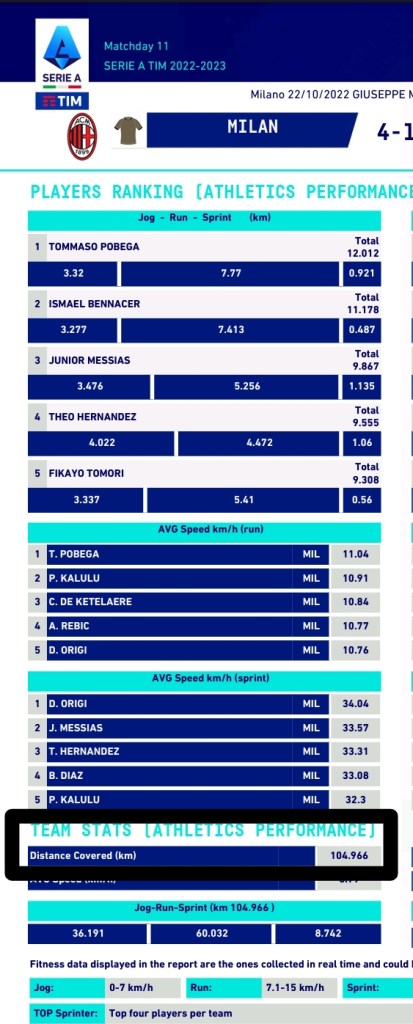
A metric used to measure pressing is PPDA (Passes Per defensive Action). It measures how many passes an opposition makes before Milan makes a defensive action. The lower the PPDA the better. Milan’s PPDA was 11.1 which compared to last season’s PPDA of 8.86 is a clear indication of how weak Milan’s pressing against Monza was. And even further evidence showed that Milan only covered close to a 105km against Monza. Perhaps the fatigue has become a big factor with the extra tight schedule.

Overperforming the expected numbers

Statistics give us a fair view of the game but Milan vs Monza was a different game. Milan’s xG (1.31) against Monza’s (1.47) showed how Milan vastly overperformed despite not creating clear cut chance. For example Brahim Diaz’s 2nd goal only carried an xG of 0.10 but Milan scored 4 goals against an expected goal of 1.3. This is a good and bad sign. Milan overperforming on the expected shows how Milan are having very good individual quality but it shows Milan need to be creating more chances and be clinical about them.

Milan vs Napoli

Milan faced off Napoli in an early top of the table clash at the San Siro. Milan went into the clash without Rafael Leao while Napoli didn’t have the dangerous Osimhen. Here is a statistical look at the clash

1. Creating chances but not finishing then

One of the biggest problems for Milan against Napoli had been their finishing. Milan xG (expected goals) had been at 2.43 while Napoli only had an xG of 1.09.

Something Milan fans can be happy about is how the team has been performing well and creating chances and hopefully they keep continuing it.

The xT (expected Threats) of both teams stood at Milan with 2.85 and Napoli at 1.04. it shows how Milan moved the ball with ease from less dangerous areas to areas of the pitch where scoring is easier.

2. Passing Maps

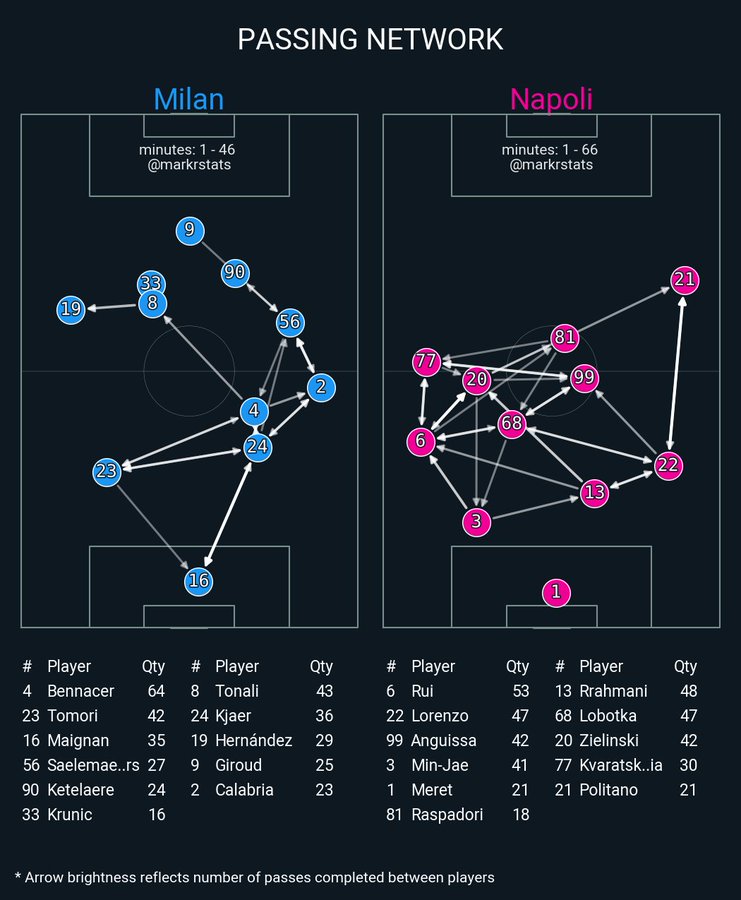
Passing Maps suggest how Napoli is dependent on Lobotka. Lobotka was the pivot on which Napoli functioned. Lobotka would be the one to initiate attacks, switch wings and lead the press.

Picture credits: @ markstats

3. Pressing

So how well did Milan press. Milan made a total of 160 pressing actions. 43% of Milan’s pressing came in the middle half of the pitch. Milan’s PPDA (Passes per defensive action) was a 8.8 against Napoli’s 10.8.

A mark of how high and well Milan pressed is taking a look at how many high turnovers happened in Napoli’s side.

A.C.Milan met an old foe in the form of Atalanta in Matchday 2  at the Gewiss stadium taking on their first real challenge for the season. Milan came out of bergamo with a 1-1 draw and here are 3 tactical takeways

  1. Gasperini’s unconventional system

Gasperini in Italy was known for his pressing system with Atalanta. Using man oriented pressing and a high intense system he dropped his plot completely and went for a mid to low block system where he would have 10 sometimes 11 men behind the ball to frustrate Milan’s passing rhtymn and it worked really well but at the cost of not having much joy in their attacking phase.

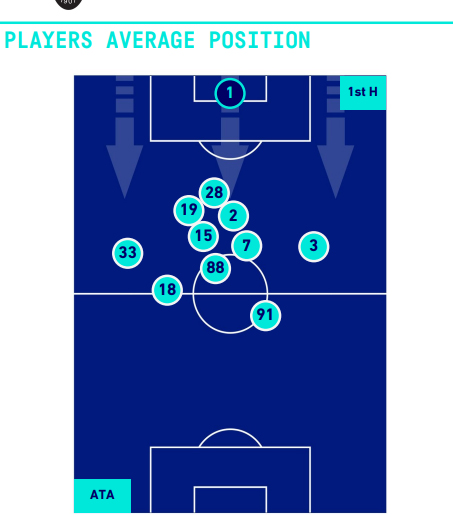
If you look at the average position map from the match we can see how even in the first half Gasperini only had Zapata beyond the half way line while he had 10 other players in defensive positions

  • Failure of the false 9

Rebic as a false 9 was a bit of a masterstroke against Udinese but against Atalanta, the wheels did not click into motion. Rebic constantly moving to the wings meant there was no target for him or his team-mates to aim a cross at. Pioli’s move backfired.

  • Weak on aerial duels

Atalanta targeted Milan aerially and it was Milan not clearing a cross that led to ball falling to Maehele who squared it to Malinovskyi. In the second half as well Pasalic’s header was tipped over the bar by Maigan after a good cross on the counters.

Agustin Alvarez

A purveyor of finding talents and raising them to be next day superstars, Sassuolo seemed to have found yet another talent who have gone quite under the radar. The player is none other than Agustin Alvarez from club CA Penarol in Uruguay. With the club possibly readying itself for the departure of Gianluca Scamacca and possibly Domenico Berardi and Raspadori, Alvarez has been brought in to shore up their attack for a small fee of 13M.

With an ambitious coach like Dionisi, Alvarez can truly blossom and maybe take his game to the next level and maybe Sassuolo can be a launching pad to his career. Playing in Uruguay, we look to cover his playing style, his strength and weakness by looking at his performance in particular against Corinthians in the Coppa Sudanamerica

PLAYING PROFILE

Name: Agustin Alvarez

Age: 21

Club: UA Penarol (Uruguay)

Nationality: Uruguay

Preferred foot: Right

Height: 180 cm

PLAYING STYLE

Penarol in particular uses a 4-4-2 formation where Alvarez is paired with Facundo Torres. On paper this looks like a pretty straightforward 2 striker formation but Penarol’s coach Larriera opted to use Alvarez as a lone center-forward while Facund Torres would pull wide or settle into half spaces to finds pockets of space vacated by either wingers Canubbio or Ceppelini.

Penarol barely build their attacks from the back like Sassuolo do unless they counter-attack. Most of the time they would have their keeper kick it out to Agustin Alvarez using as a focal point to build their attack from the half way line. This meant that Alvarez was their target man for all build up play.

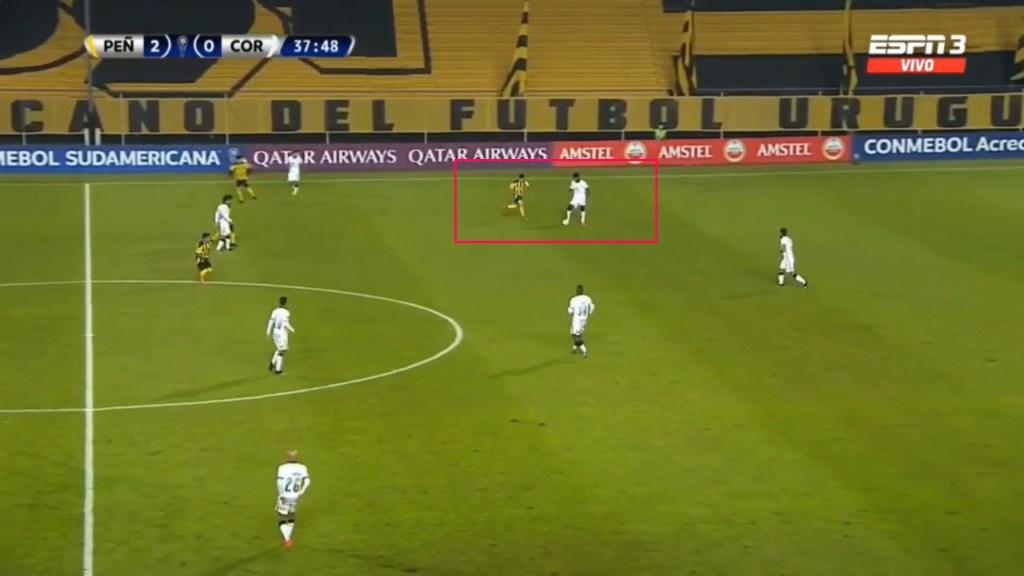
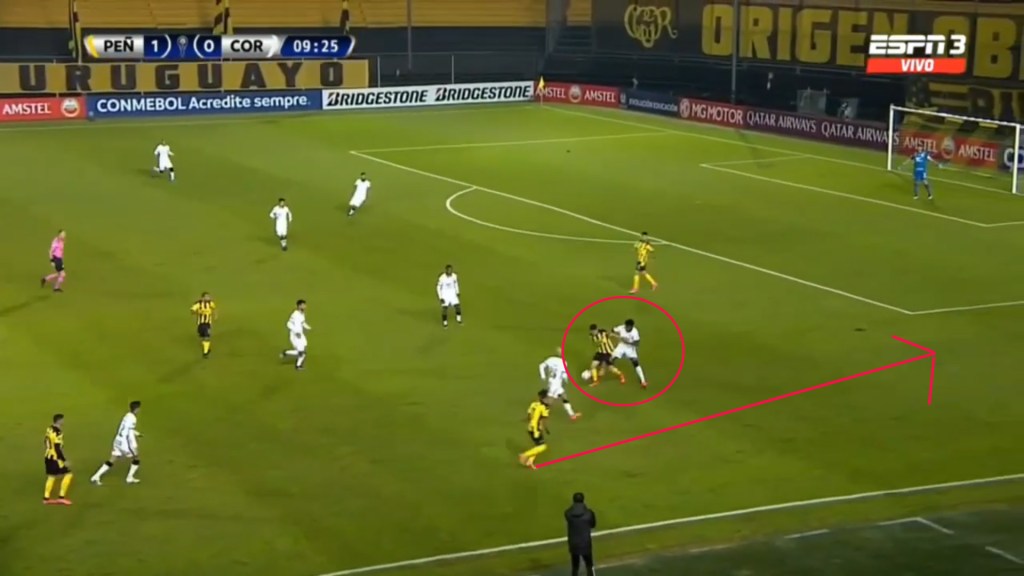
To facilitate build up play, particularily counter attacks and also to allow runners especially their wingers and Torres to make runs behind, Alvarez would either hold up the ball or go to the wide areas pulling a center back in the opposition out of their position and creating space

Alvarez holding up the ball while he allows Torres to make a run

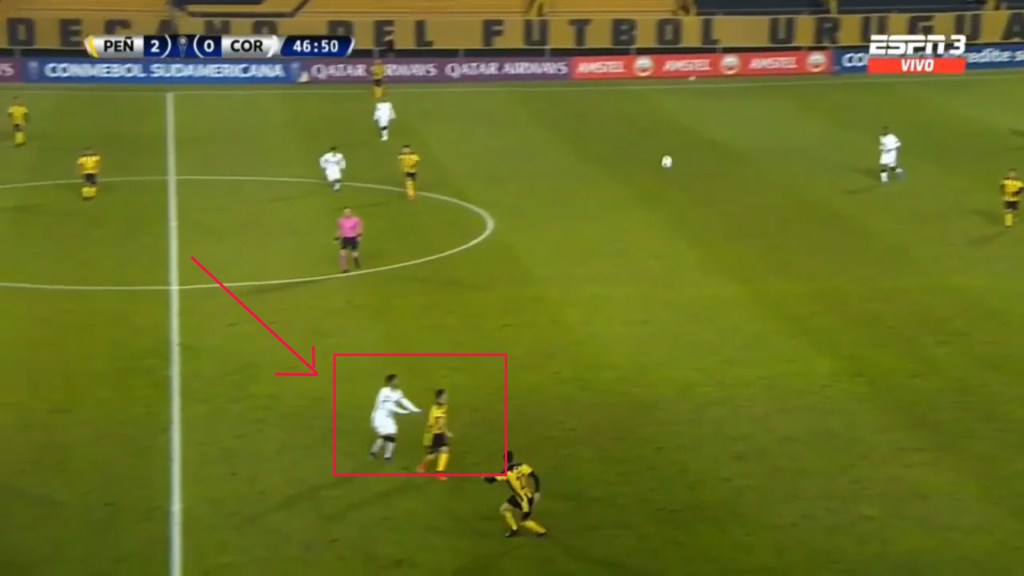
Once the attack is progressing through the flanks, Alvarez does not particularily seem to take part in the progression or in the flanks but would rather stay in the center and wait for a cross or a pass.

Alvarez coming into the widea areas from the center to allow transition play

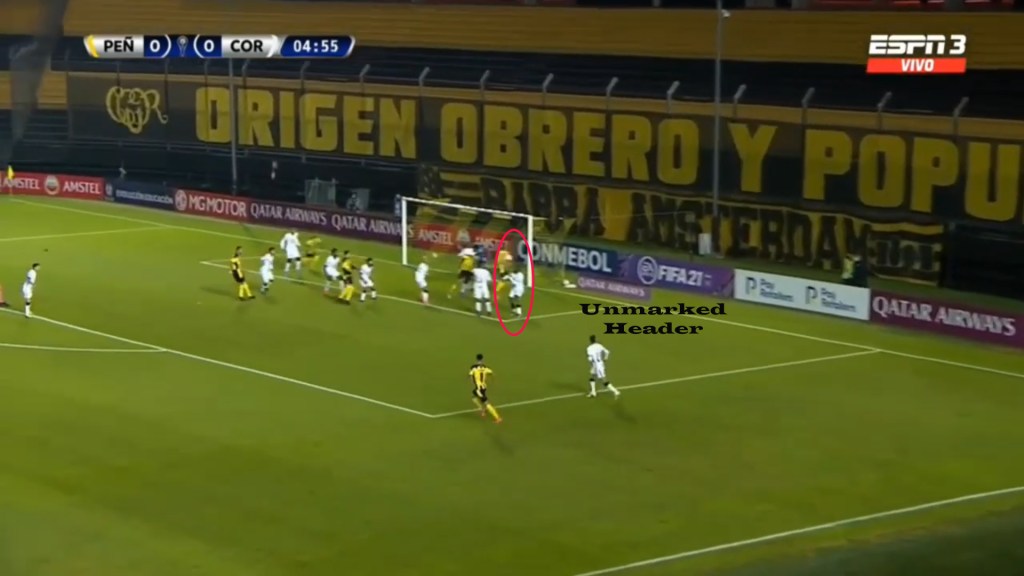
Not the tallest of player Alvarez maximizes his aerial ability in a better way by putting himself between the ball and the opposition defender and timing his jump well to score goals as we can see in this sequence of play.

Alvarez jumps unmarked and scores

And like all traditional attackers like Aubameyang, Alvarez preyed on defenders by playing off the defenders shoulders and waiting on through balls.

Playing on the shoulder of the last defender

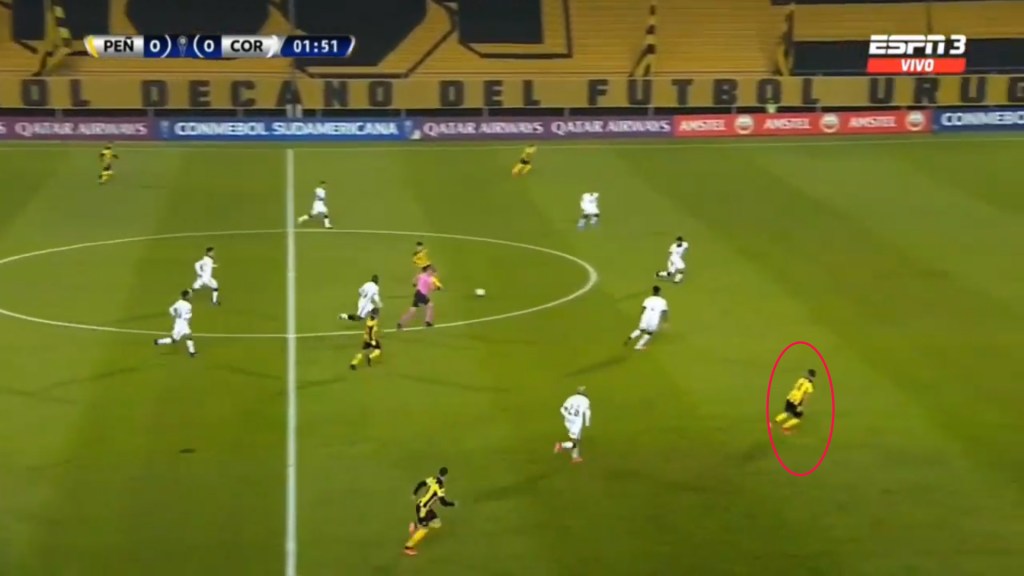
Although Penarol isn’t a team that presses much, Alvarez has been seem to close down defenders and not give them much space to operate

ALvarez closing down on the defender

STRENGHTS

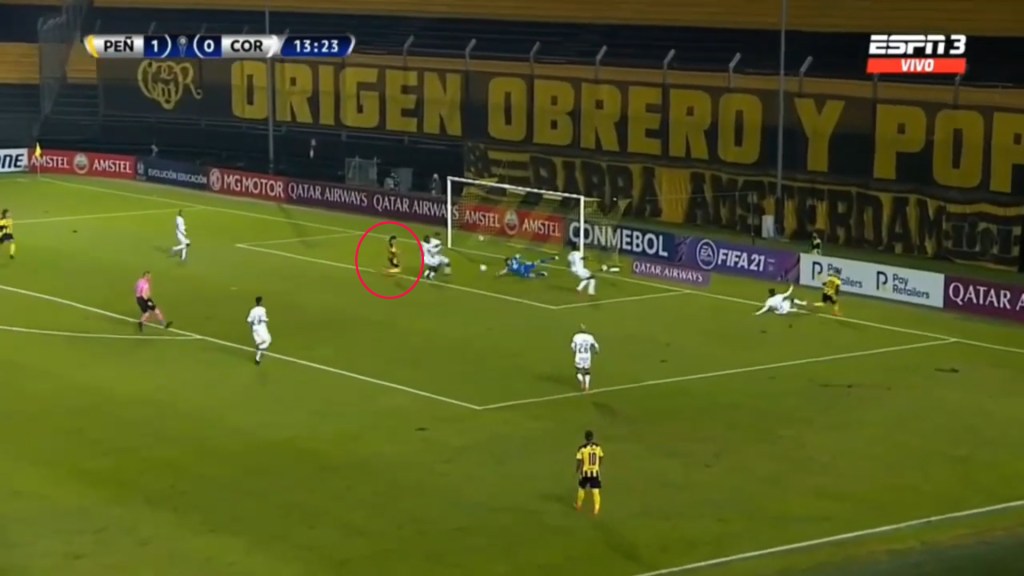
One of his Alvarez’s main strength lies in their positioning inside his box and finishing. Alvarez takes up positions that makes him invisible to defenders and has lightening quick reactions to finish the ball into the net.

Classic poachers goal. ALvarez sneaks up behind 2 corinthians defenders to tap the ball into the net

In modern football playing with your back to goal, a somewhat vague concept a few years ago, is important as coaches has re-distributed the onus of scoring goals only from a forward to the wingers. So strikers have been asked in whatever capacity they can to take part in building up play. Alvarez has demonstrated ability in this field and with a good coach he can work on this strength.

WEAKNESS/AREAS TO IMPROVE

Rather than classify this as a weakness I believe Alvarez will need a bit of time to transition from Uruguay to Italy. Simply because the Italian leagues and Europe in general offers way more pressing and less amount of space. This would mean Alvarez would need to make decisions quicker and operate well against teams that play a deeper defense or even a higher press

Standing at 5ft 11, Alvarez is not a physically imposing Center-forward. This would mean that he would need to use his movements and his strengths differently against opposition defenders and be more agile especially in set pieces.

CONCLUSION

For 13 Million Sassuolo have got a back-up plan in case they lose Scamcca this season. Alvarez at the age of 21 is still, according to coaches, a mouldable player. But fans of Sassuolo and Serie A in general may need to wait to see the true potential of Alvarez in Italy.

Psychologically Alvarez has proven he can come through in the big games and his hat-trick against Corinthians proves he is a clutch player. Sassuolo have another potential gem on their hands.